ABSTRACT
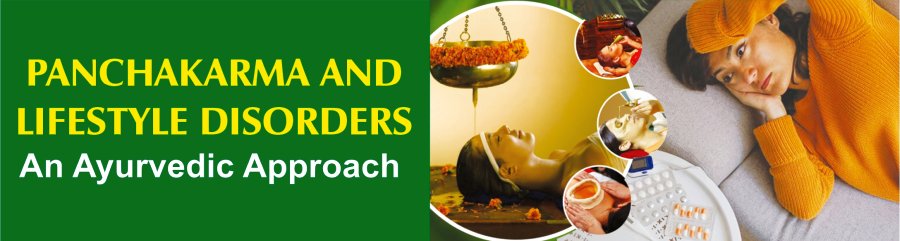
Purpose : Lifestyle disorders such as obesity, diabetes, hypertension, and stress-related illnesses prevalence is increasing worldwide. In Ayurveda, though Panchakarma, offers a holistic and preventive strategy. This article aims to review the role of Panchakarma in managing lifestyle disorders.
Methods : Aliterature-based review was conducted using classical Ayurvedic texts, recent clinical trials, and contemporary research articles highlighting Panchakarma’ s role in lifestyle-related diseases. Results: Panchakarma therapies such as Vamana, Virechana, Niruha Basti, Anuvasana Basti and Nasya have shown significant improvements in metabolic balance, detoxification, stress reduction, and rejuvenation. Clinical trials suggest that Panchakarma helps in reducing BMI, regulating blood sugar, improving lipid profiles and enhancing psychological well-being.
Conclusion : Panchakarma, when integrated with appropriate diet and lifestyle modifications, serves as a highly effective therapeutic and preventive tool for lifestyle disorders. Further large-scale clinical studies are needed to ensure its efficacy and standardize protocols for global healthcare integration.
Introduction : Lifestyle disorders, also referred to as non-communicable diseases (NCDs), arise primarily due to sedentary habits, irregular diet, stress and lack of exercise. According to the WHO, NCDs are the leading cause of mortality worldwide. Ayurveda describes such conditions under the spectrum of Santarpanottha Vyadhi (diseases due to over-nutrition) and Apatarpanottha Vyadhi (diseases due to under-nutrition). Lifestyle disorders requires a preventive and holistic approach involving healthy diet, regular exercise, stress management, adequate rest and adaption of adequate health sciences like Yoga and Ayurveda. Early awareness and life style modification play a crucial role. Panchakarma, the detoxification and rejuvenation therapy of Ayurveda, aims to restore balance of doshas, eliminate accumulated toxins (ama) and strengthen immunity.
Methods : This review was conducted by analyzing classical Ayurvedic literature including Charak Samhita and Sushrut Samhita, along with modern research articles from PubMed, AYUSH digital libraries, and Ayurveda journals. Selection criteria included studies evaluating Panchakarma procedures in obesity, diabetes, hypertension, stress and related disorders.
Discussion : After reviewing various articles related to life style disorders the following conclusion were drawn
Obesity and Metabolic Syndrome : Virechana and Lekhana Basti were found effective in reducing body weight, waist-hip ratio, and cholesterol levels.
Madhumeha (Diabetes Mellitus) : Panchakarma therapies combined with dietary interventions improved glycemic control and reduced dependency on medications.
Hypertension and Cardiovascular Disorders: Bastiand Nasya demonstrated beneficial effects on blood pressure regulation and stress reduction.
Psychological Stress and Insomnia: Panchakarma therapies including Shirodhara significantly reduced anxiety, improved sleep quality, and enhanced mental clarity.
General Detoxification: Panchakarma facilitated toxin elimination, improved digestion (Agni), and enhanced Ojas (immunity).
CONCLUSION
Panchakarma addresses the root causes of lifestyle disorders by removing accumulated toxins and correcting metabolic imbalances. Unlike conventional therapies that primarily focus on symptomatic relief, Panchakarma emphasizes prevention, rejuvenation and long-term well-being. When combined with Pathya-Apathya (diet), yoga, and meditation, it offers a comprehensive lifestyle correction model.
Although existing clinical evidence is promising, still more randomized controlled trials are needed to validate efficacy and integrate Panchakarma into mainstream healthcare. With its holistic approach, Panchakarma provides a unique opportunity for combating the global epidemic of lifestyle disorders.